
Nutrition
Alles over nutrition.
13 artikelen gefocust op nutrition — praktisch, met concrete getallen en bronnen.
Also check out the dedicated overview pages per category: Health, Management, Conditions, Training, Nutrition, Breeding, Competitions, Care, Apps, Hoof Care, Dressage, Season, Costs, Sales, Riding School, Stable Management
Nutrition
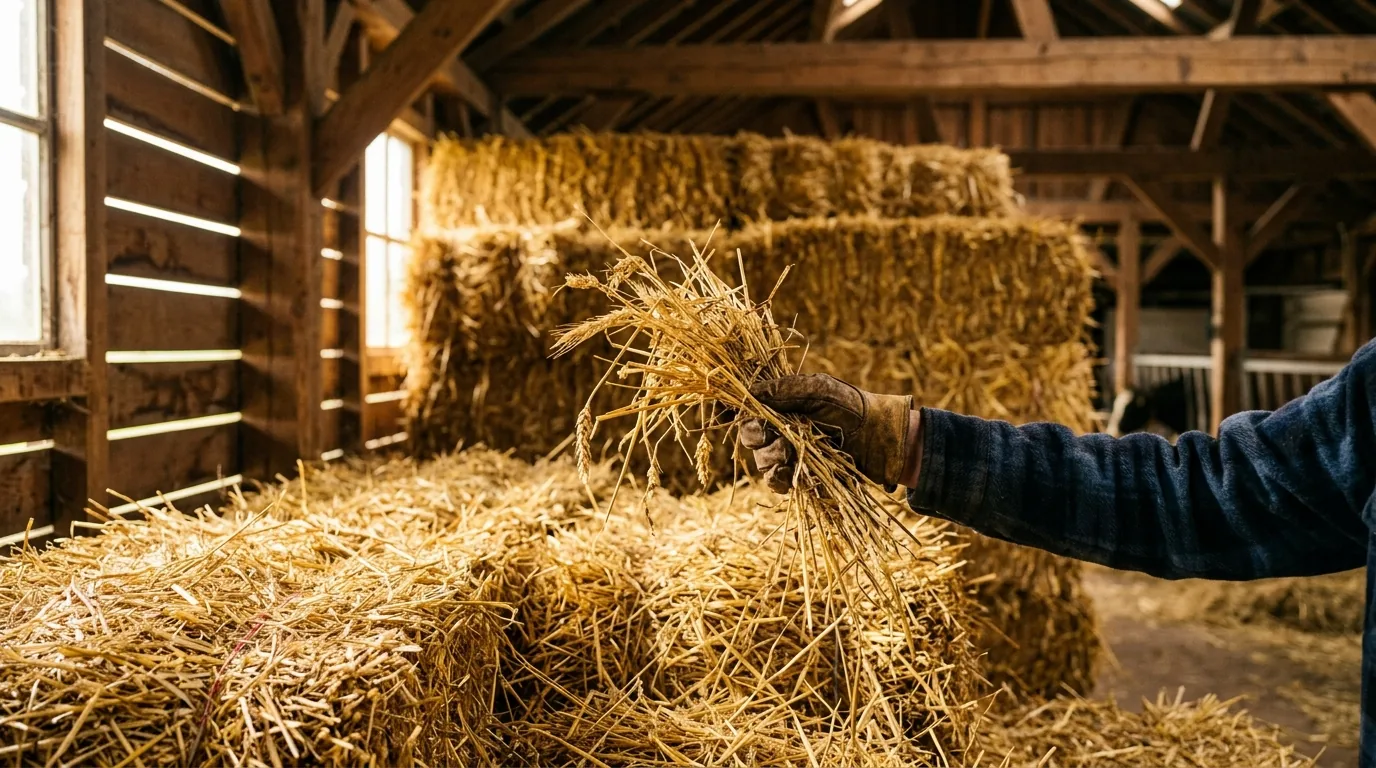
Recognising hay quality: colour, smell and analysis
Good hay is the foundation of a healthy horse's diet, but how do you know whether what you're buying is actually any good? The colour, smell and structure tell you a great deal before you even have a laboratory analysis. Yet there are situations where an analysis is indispensable — especially if your horse is sensitive to sugars, has allergies or regularly shows health problems. In this article you'll learn what to look for when assessing hay, when to request an analysis and how to incorporate the results into your horse's daily management.
Read more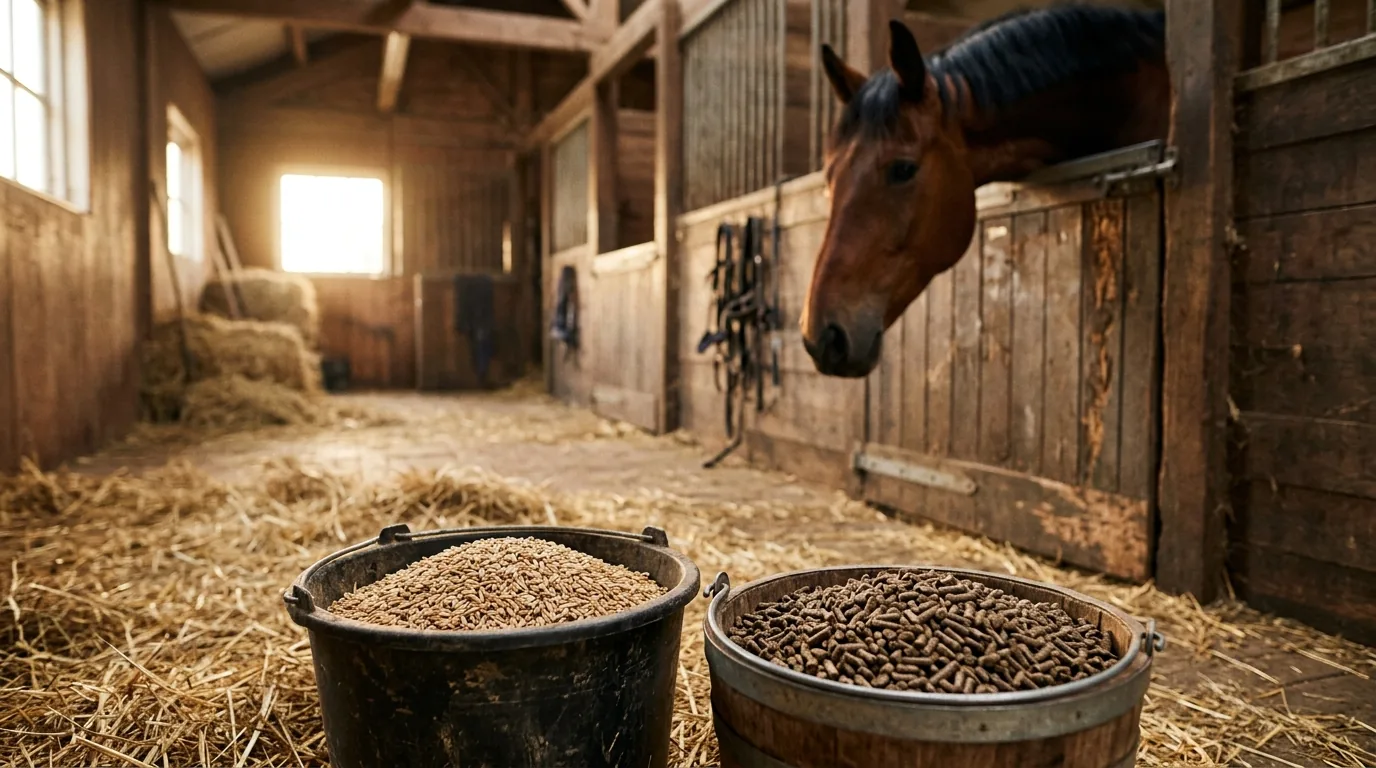
Nutrition
Oats or compound feed: what do you choose for your horse?
Oats have been the go-to concentrate feed for horses for centuries, but compound feed has firmly established its place in the stable over recent decades. Which option suits your horse best? The answer depends on factors such as workload, age, and any health conditions. In this article, we compare the characteristics of both options side by side, so you can make an informed choice.
Read more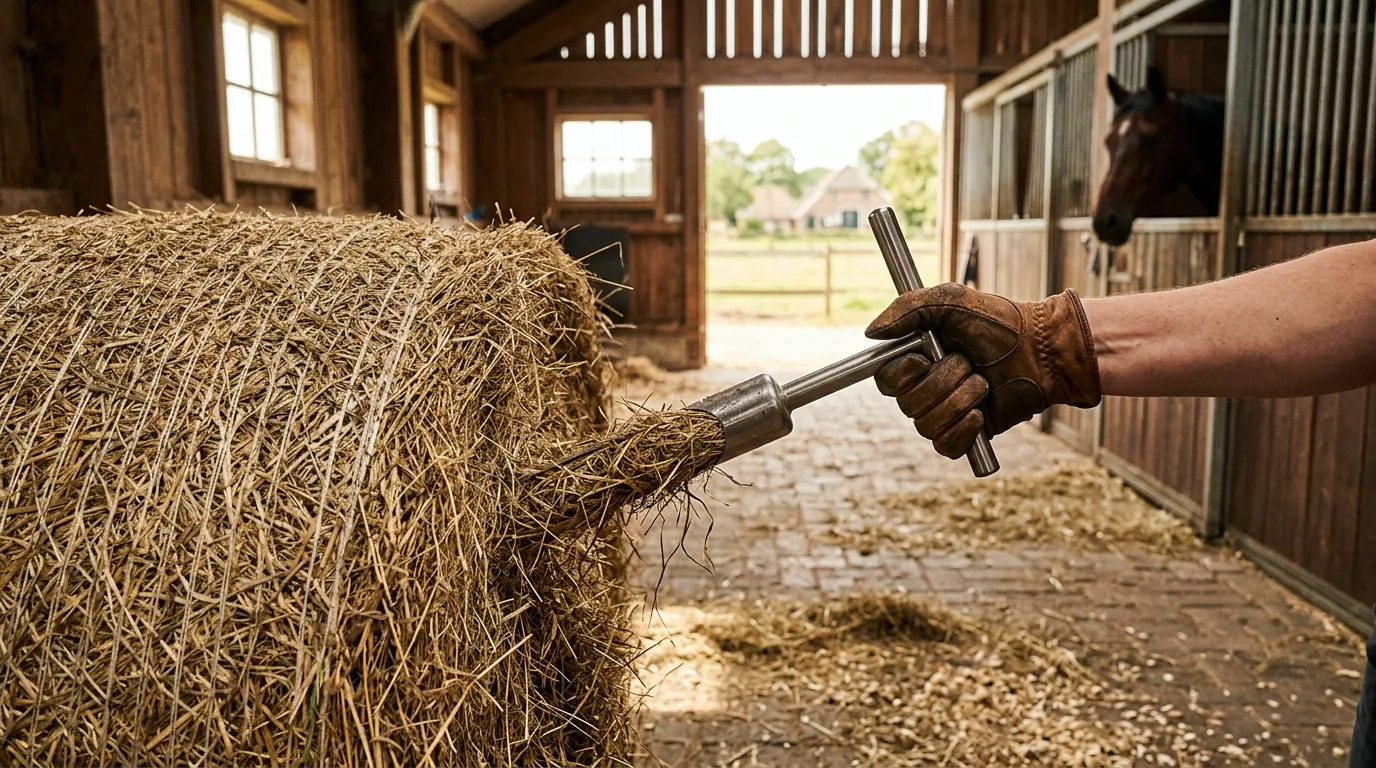
Nutrition
Getting a forage analysis done: step by step
Do you know what is actually in your hay or haylage? Most horse owners feed by feel, but the nutritional value of forage varies enormously between batches — sometimes by as much as 40% in protein content. With a forage analysis you know exactly what your horse is taking in and can supplement the ration in a targeted way. In this article you walk through the entire process, from sampling to translating the results into practical feeding advice.
Read more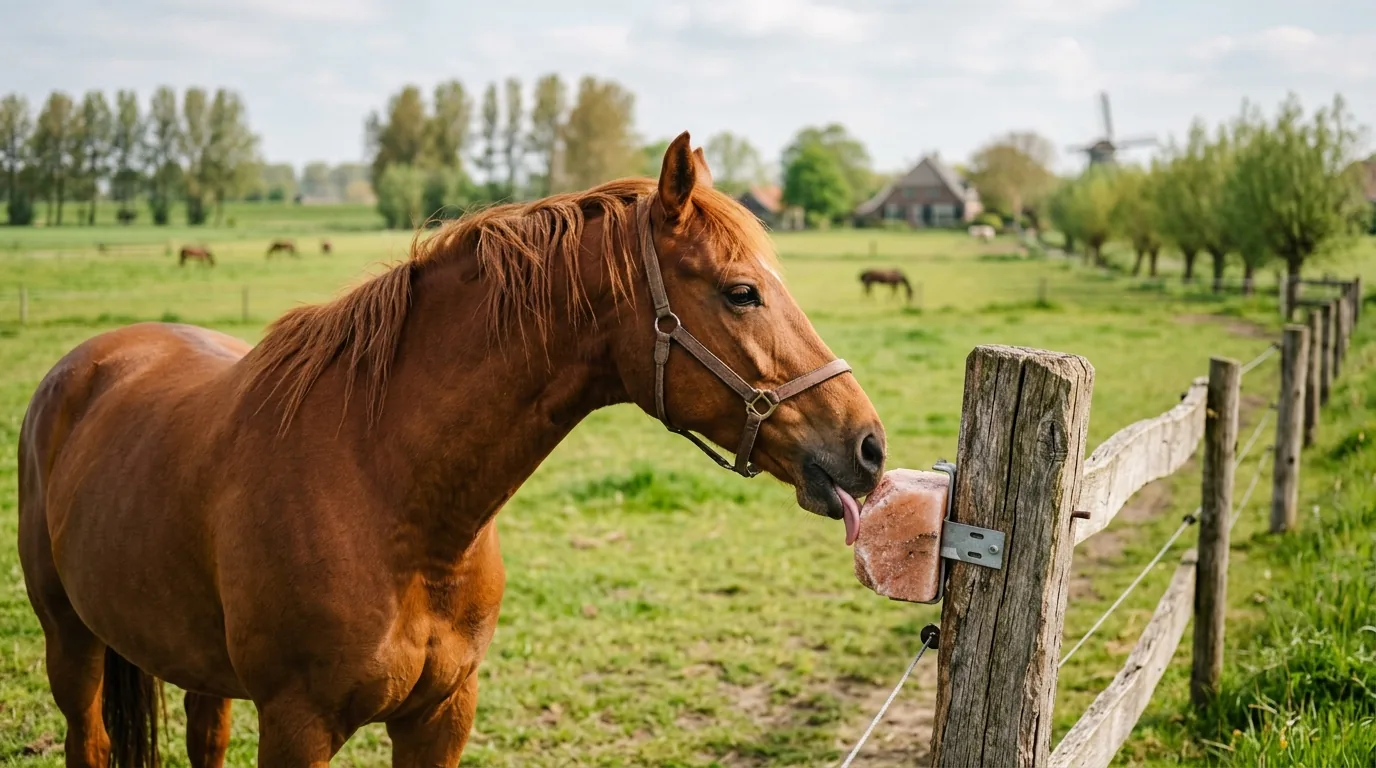
Nutrition
Salt licks for horses: necessary or superfluous?
A salt lick in the stable or out in the pasture: almost every horse has one. But does your horse really need that salt supplement, or is it more habit than necessity? The need for minerals varies from horse to horse, season to season, and ration to ration. In this article you'll find out when a salt lick is genuinely useful, what types are available, and what to watch out for so you don't inadvertently over- or under-supplement.
Read more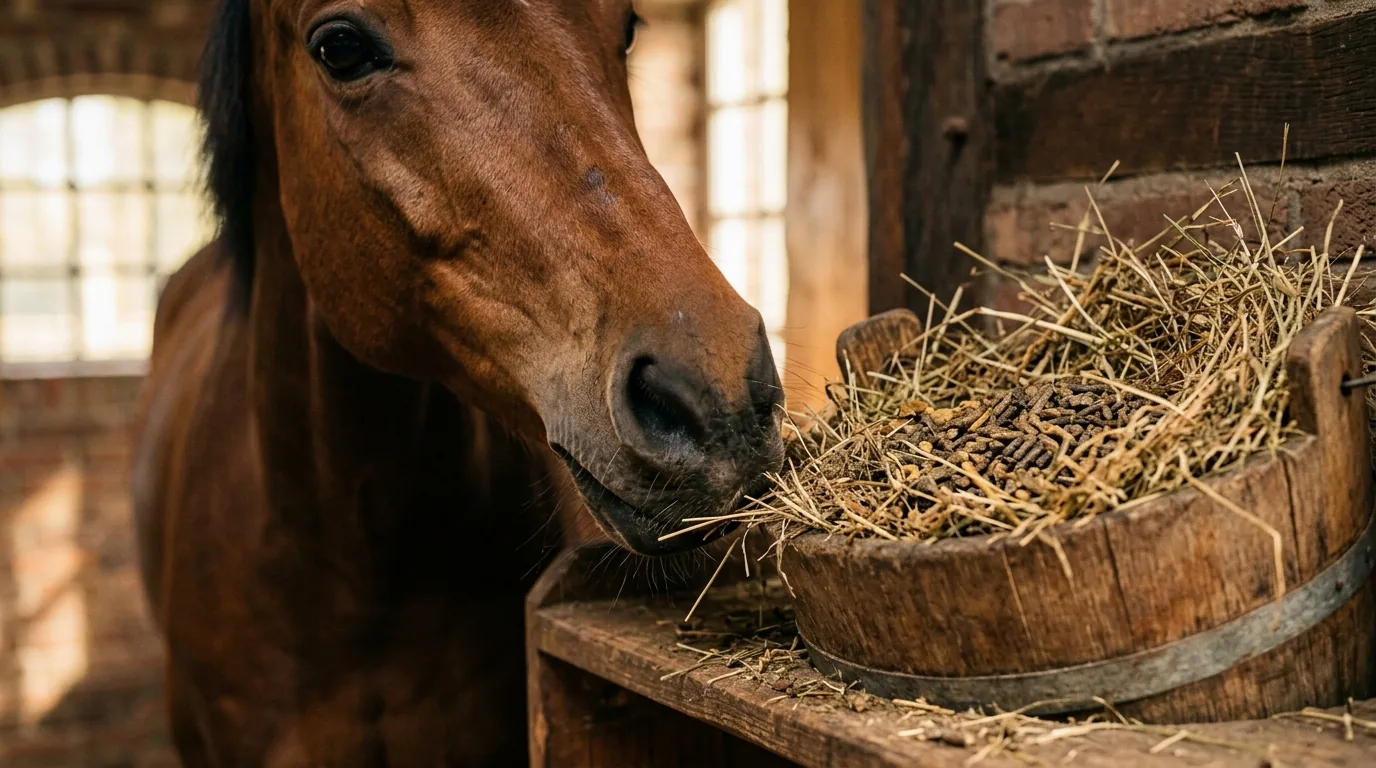
Nutrition
Avoiding molasses and cane sugar in horse feed
Many commercial horse feeds contain molasses or cane sugar as a flavouring or binding agent. For healthy horses, a small amount is rarely a problem, but for horses with insulin resistance, EMS or laminitis, even a minor sugar spike can have serious consequences. In this article you will learn why these ingredients are so widespread, how to recognise them on the label, and which alternatives you can choose.
Read more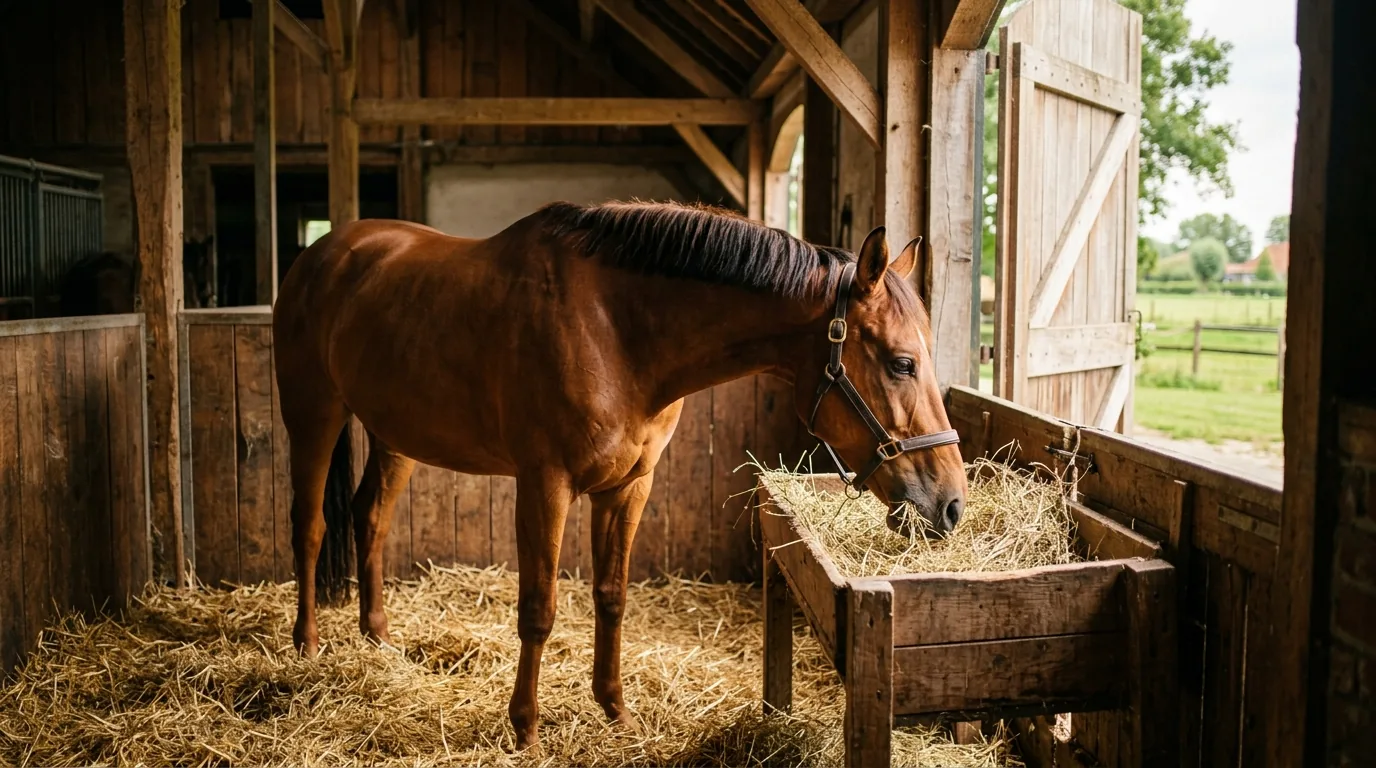
Nutrition
Magnesium for horses: when does it make sense?
Magnesium is a mineral involved in hundreds of processes in your horse's body: from muscle function and nerve conduction to energy metabolism. Yet magnesium deficiency in horses is less common than is often assumed. Many horse owners quickly reach for a supplement when faced with nervousness or muscle problems, but whether that is always justified depends strongly on the ration and the individual situation of the horse. In this article you will read when supplementation can genuinely be beneficial, what dosages are commonly used, and how to keep track of this effectively.
Read more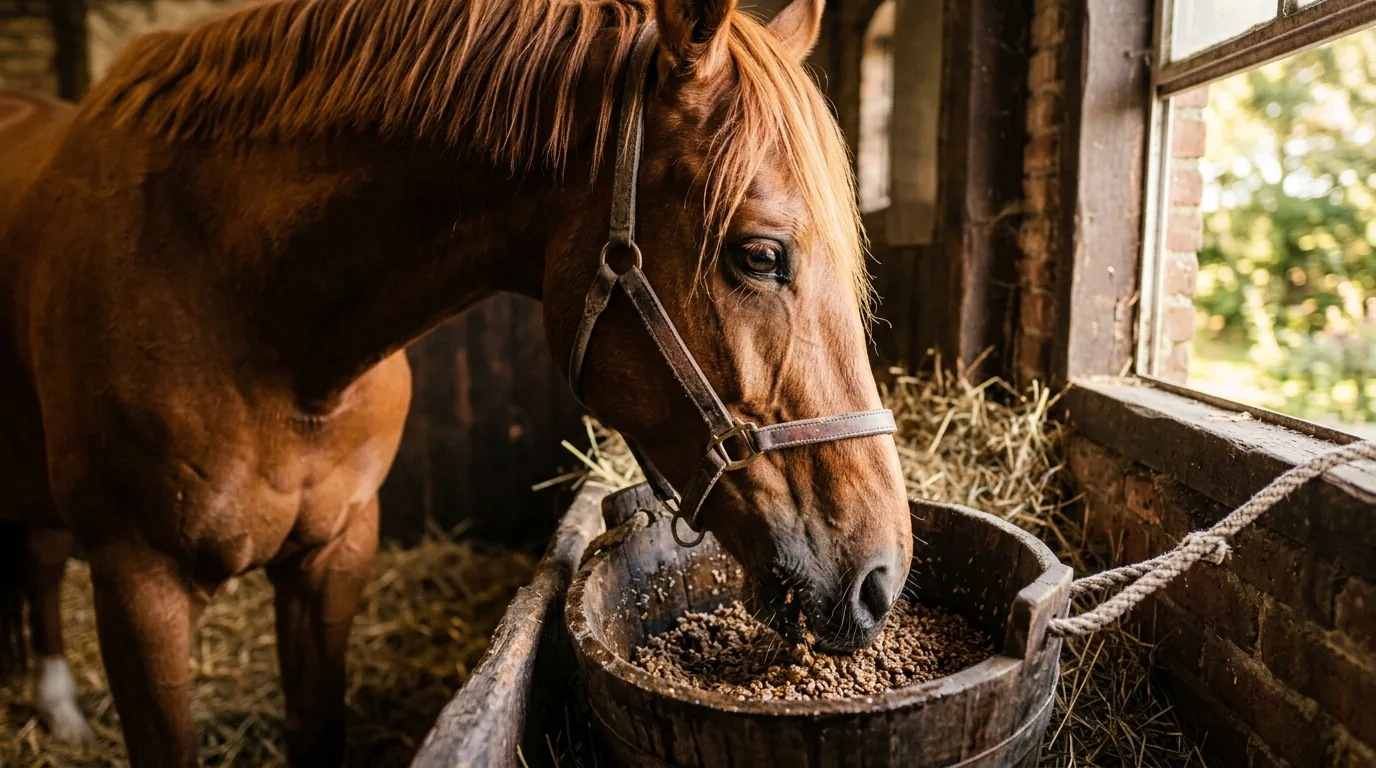
Nutrition
Brewers' grain for horses: benefits and risks
Brewers' grain — the by-product of breweries — is appearing more and more frequently as a cheap roughage supplement for horses. It is packed with protein and highly palatable, but it also carries some clear risks. If you want to know whether brewers' grain suits your horse, it is wise to get the facts straight first. In this article you will read exactly what brewers' grain is, what its nutritional values are, when it makes sense to feed it, and when you are better off avoiding it.
Read more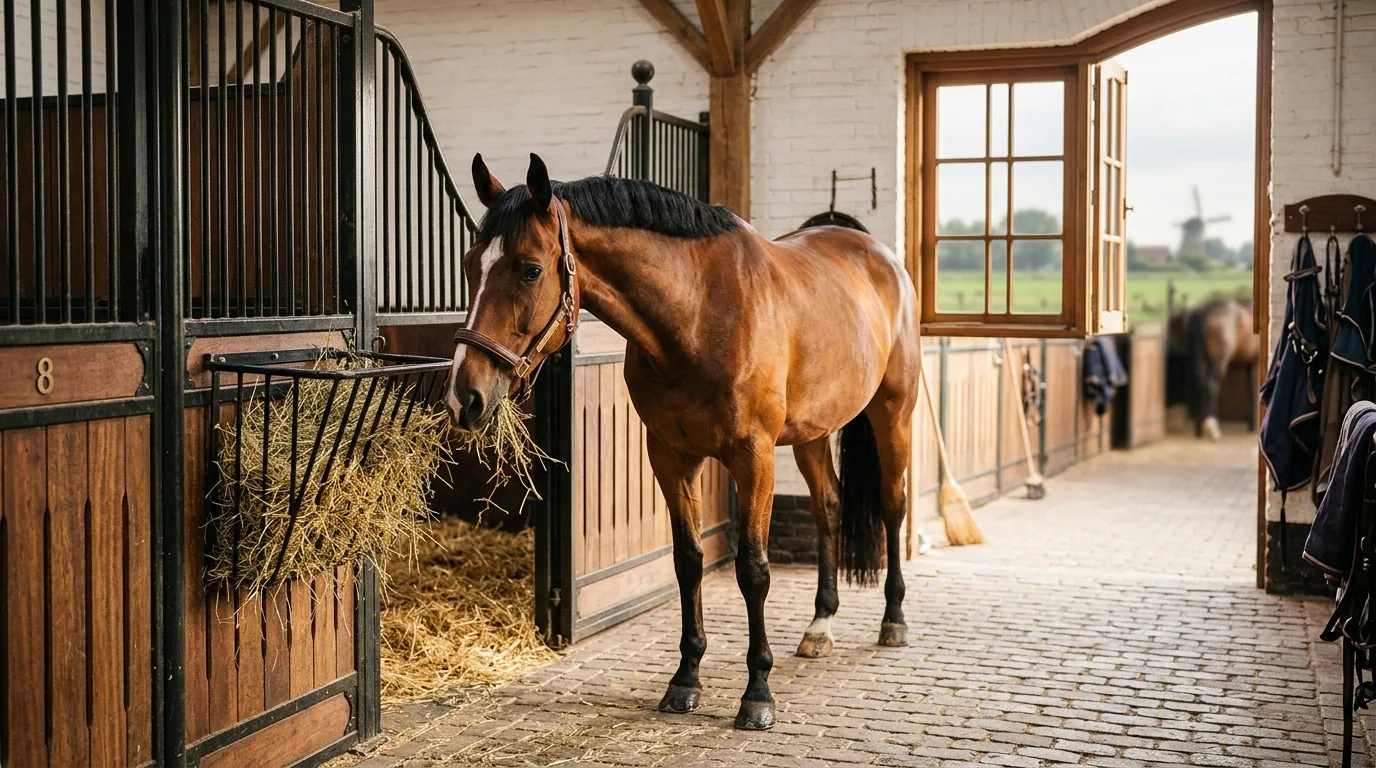
Nutrition
Feeding plan for a leisure horse: here's how to approach it
A leisure horse may only work three to four times a week, but that doesn't mean nutrition matters any less. Things can go wrong quickly with lightly exercised horses: too much energy, too little movement, and before you know it you have an overweight horse with behavioural problems or worse. A good feeding plan takes into account weight, condition score, roughage and workload. In this article you'll learn how to put together a practical feeding plan for your leisure horse, step by step.
Read more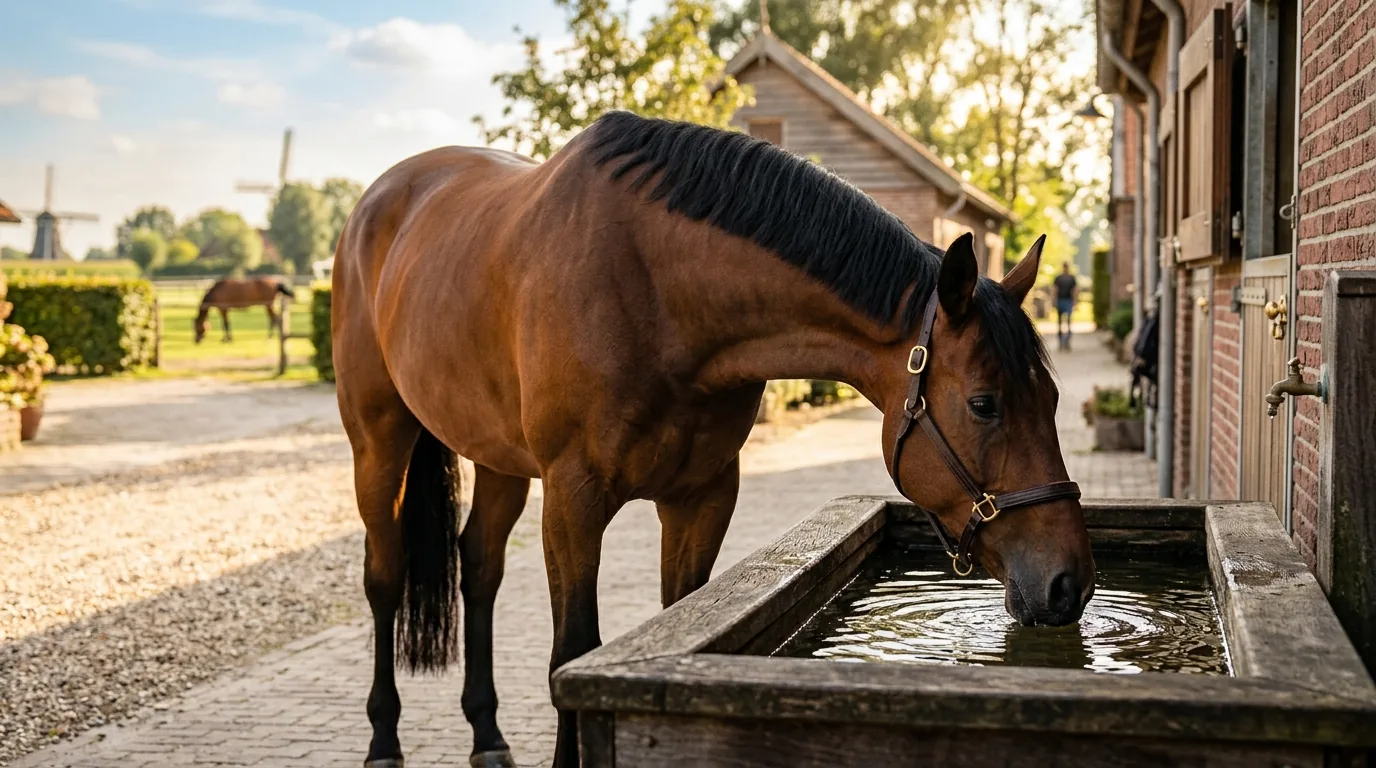
Nutrition
How much water does a horse drink per day?
A horse needs a substantial amount of water every day — more than many owners expect. On average, a horse drinks between 25 and 55 litres per day, but in heat, during heavy work, or on a dry forage ration, this can rise to 80 litres or more. Do you know when your horse is drinking too little and how to recognise it in time? In this article you will find the key factors that influence water intake and how to monitor your horse's hydration effectively.
Read more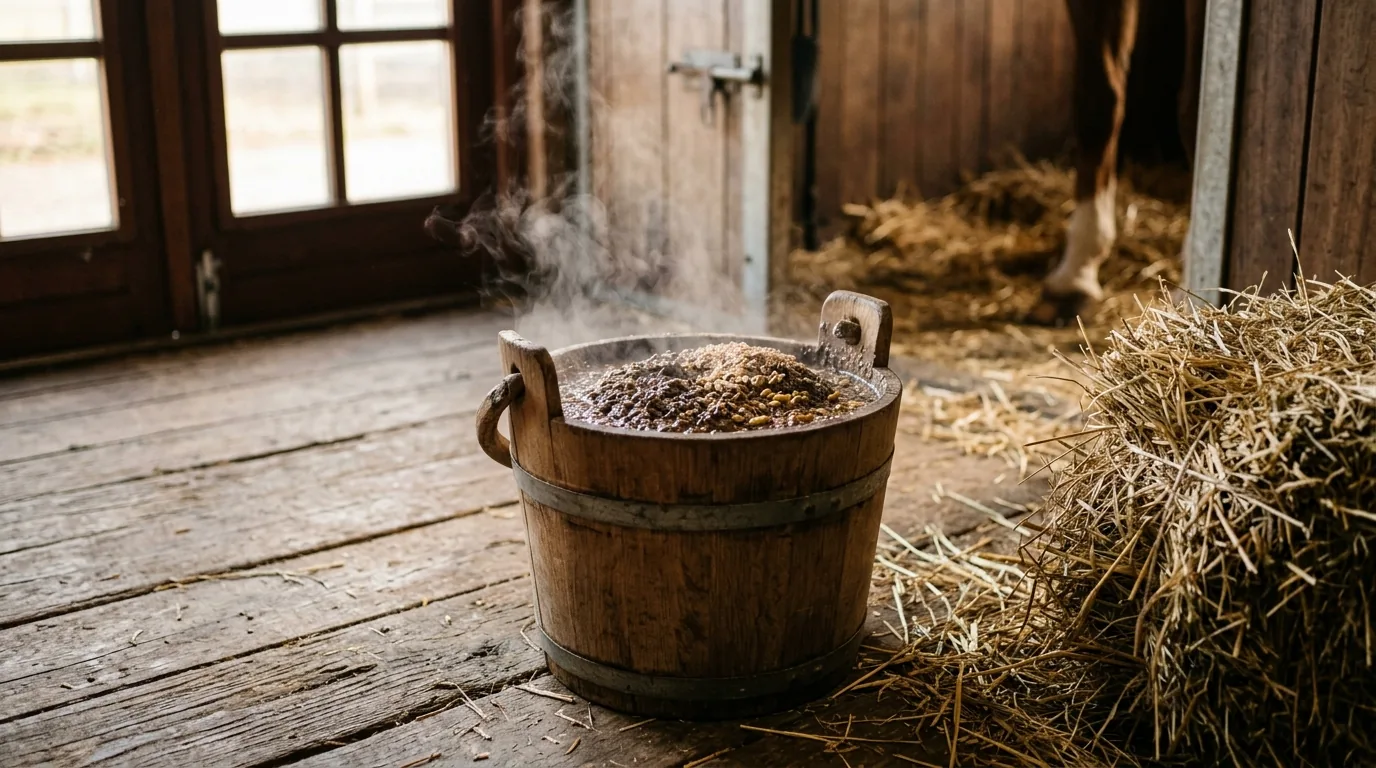
Nutrition
Making your own horse mash: basic recipe
A homemade mash is a warm, soft meal that gives your horse extra moisture, energy and minerals — ideal after a heavy training session, in cold weather, or when your horse is eating a little less. You only need a handful of ingredients and preparation takes no more than ten minutes. In this article you will find a simple basic recipe with variations, so you can tailor the mash to your horse's individual needs.
Read more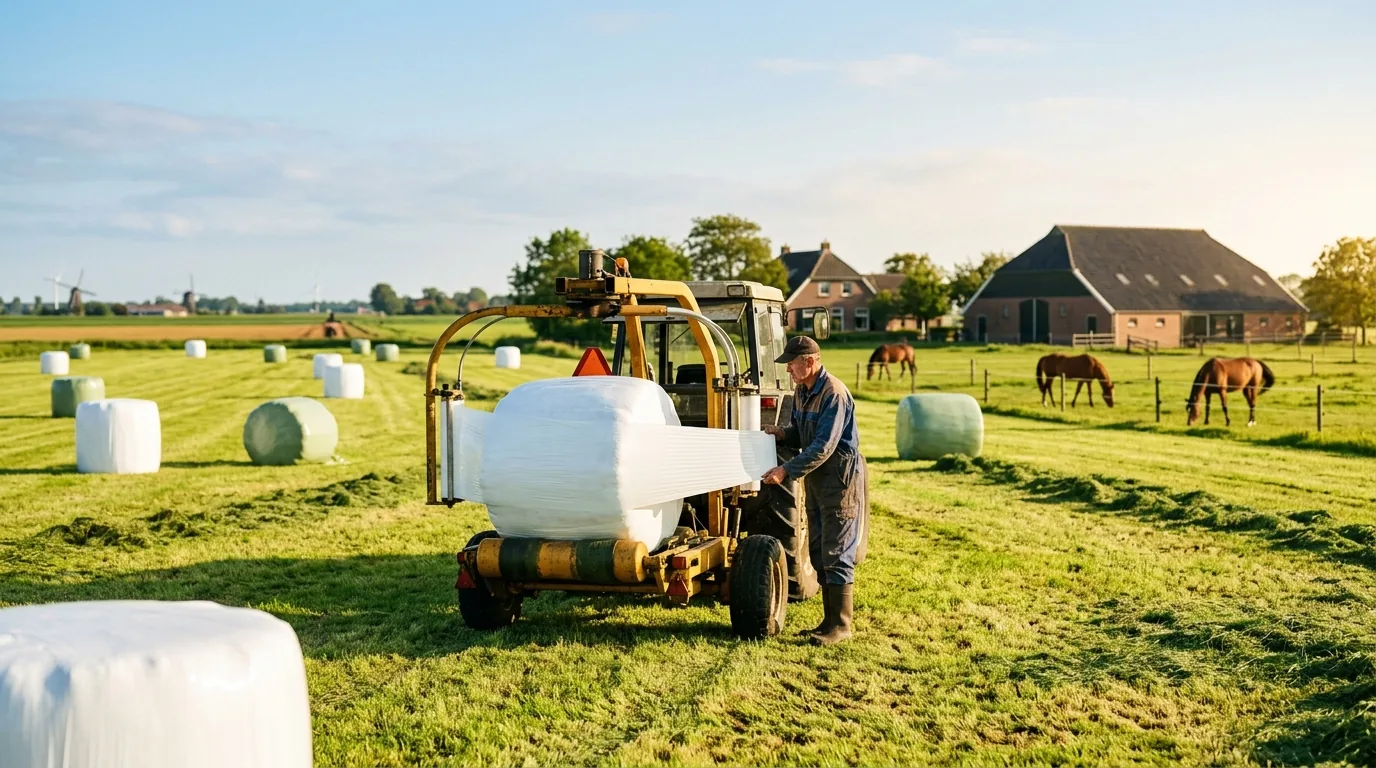
Nutrition
Making silage yourself: how to do it right
Silage is a popular alternative to hay, especially if you have many horses to feed or are dealing with mouldy dry roughage. By ensiling grass or alfalfa yourself, you have more control over quality and can save on feed costs. In this article, we explain step by step how to make silage safely and successfully for your horses, what to watch out for, and which mistakes to avoid.
Read moreNutrition
How to calculate the right amount of concentrate feed for your horse
How much concentrate feed does your horse actually need? Many owners give too much or too little, often because the calculation seems unclear. Yet it is fairly straightforward once you know what to look for: body weight, workload, and the composition of the roughage are the three key pillars. In this article you will find a step-by-step guide to calculating the correct amount of concentrate feed and how to avoid common mistakes.
Read moreNutrition
What does a horse eat? Basic feeding plan for leisure and sport horses
Hay, water, minerals — that's the foundation. But what does your horse really need, and when is concentrate feed useful? A practical overview for amateur riders.
Read more
Join · Beta tester
Become a Beta tester.
Get 3 months Professional for free.
EquiSight goes live on September 1 2026. Sign up now for the Beta and receive the full Professional package for three months at no cost.
No spam. Unsubscribe at any time.