
Conditions
Alles over conditions.
18 artikelen gefocust op conditions — praktisch, met concrete getallen en bronnen.
Also check out the dedicated overview pages per category: Health, Management, Conditions, Training, Nutrition, Breeding, Competitions, Care, Apps, Hoof Care, Dressage, Season, Costs, Sales, Riding School, Stable Management
Conditions
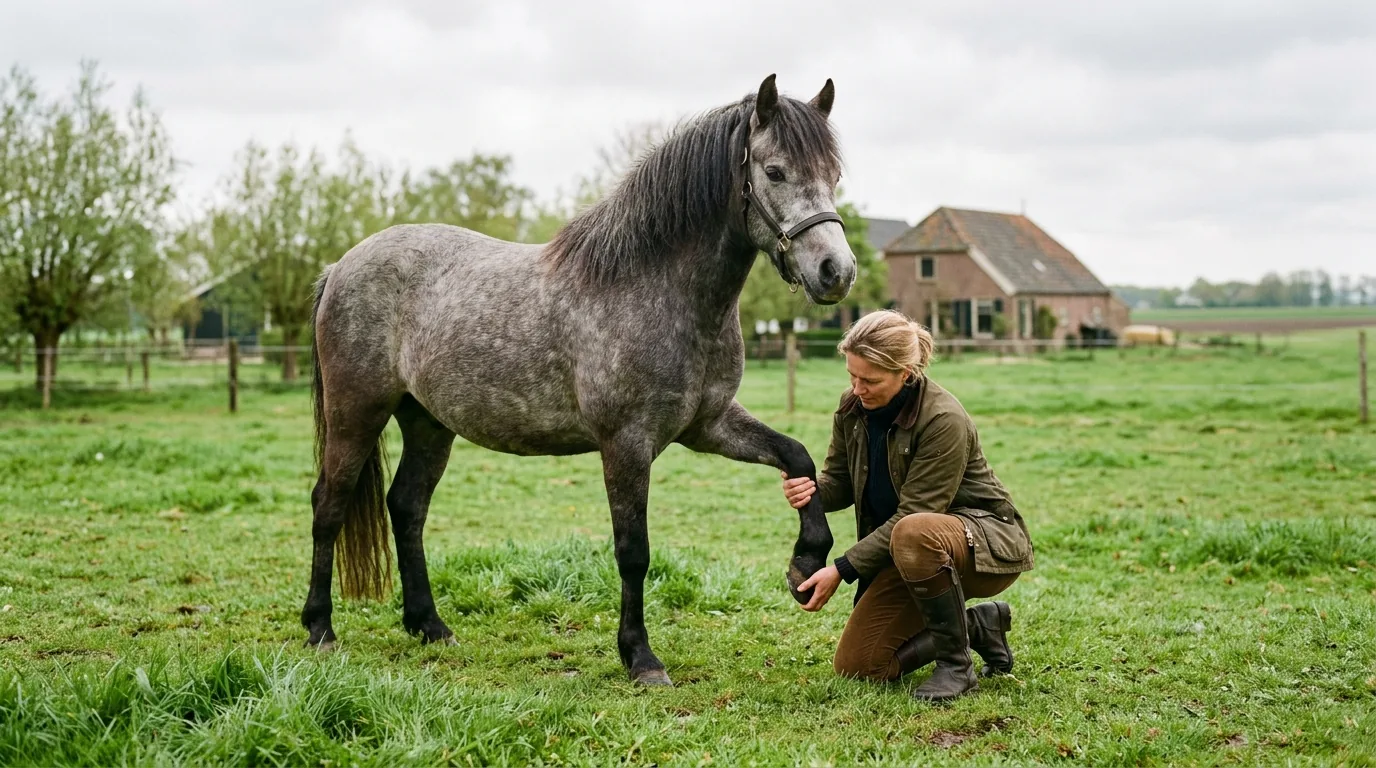
EMS in horses: what you really need to know
Equine metabolic syndrome (EMS) is one of the most common metabolic conditions in horses in the Netherlands, especially in ponies and easy keepers. The syndrome is characterised by insulin resistance, excess weight and an increased risk of laminitis. The earlier you recognise EMS, the more you can do to keep your horse healthy and active. In this article you will learn exactly what EMS is, what signs to look out for and how to manage it through nutrition, exercise and good monitoring.
Read more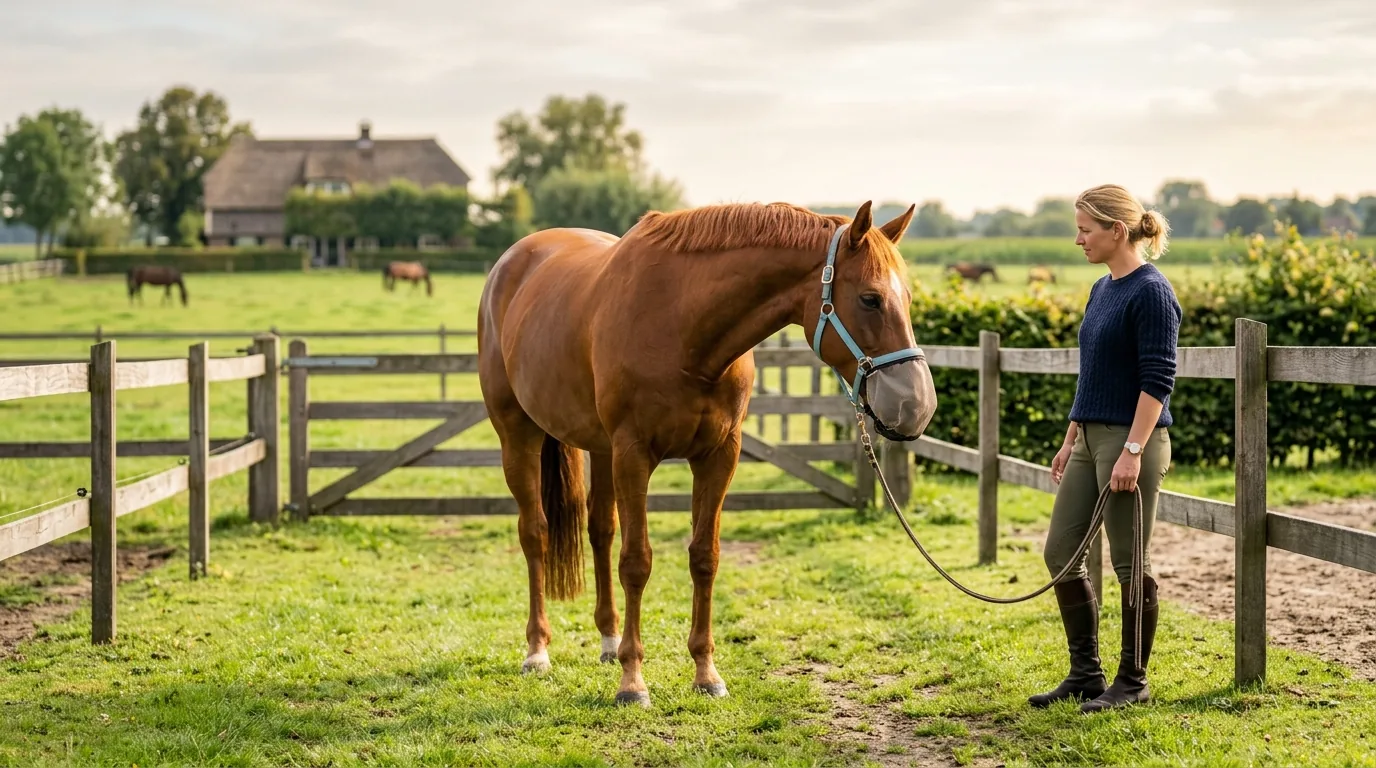
Conditions
Headshaking in horses: causes and management
Headshaking is one of the most frustrating conditions a horse can have: the animal shakes its head uncontrollably, sometimes so severely that riding becomes impossible. In the Netherlands, an estimated 1 in 200 horses suffers from a serious form of this syndrome. The causes are varied and diagnosis is often a lengthy puzzle, but with the right approach improvement is possible for many horses.
Read more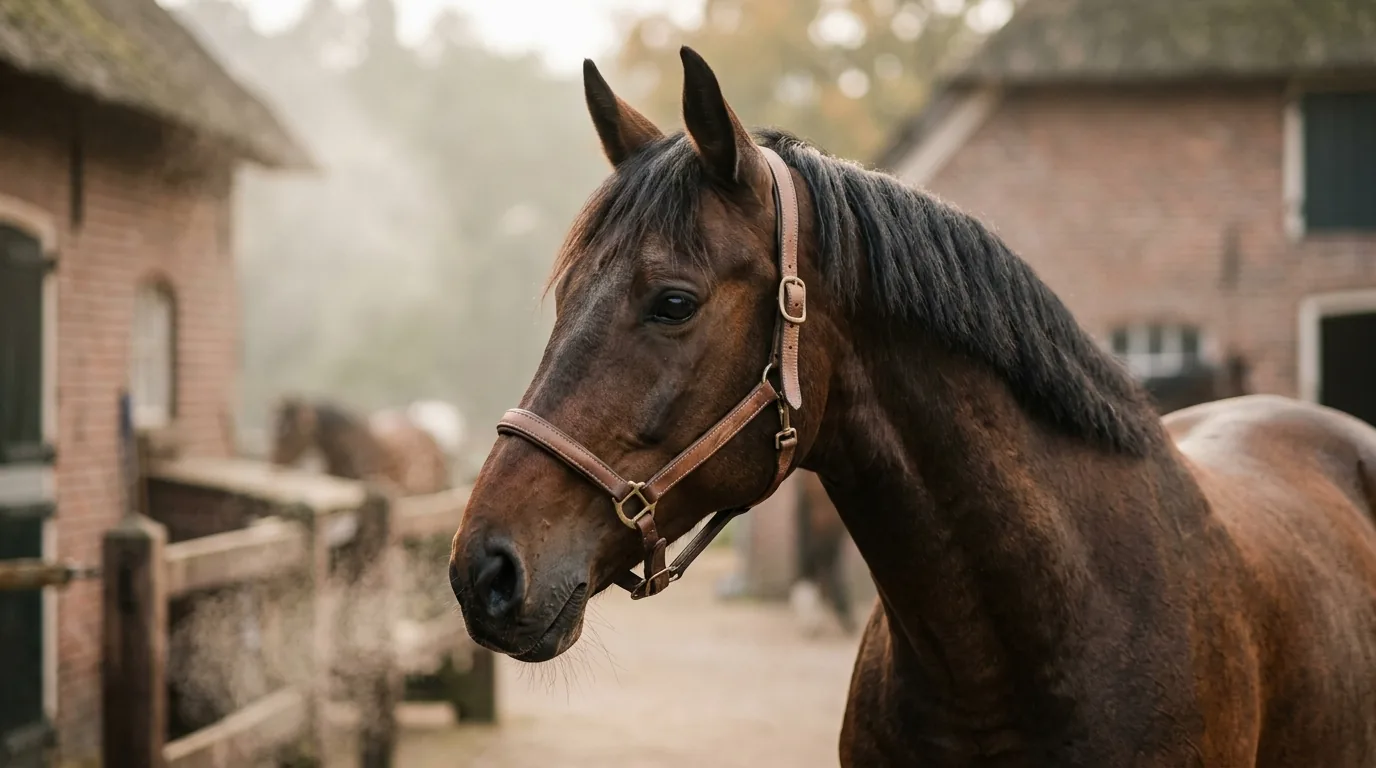
Conditions
Wheezing in horses: causes and approach
Do you regularly hear your horse wheezing, or have you noticed that it becomes out of breath more quickly than usual? Wheezing and respiratory problems are common in horses and can range from a mild irritation to a serious chronic condition. Early recognition makes a big difference: the sooner you intervene, the lower the risk of permanent damage to the airways. In this article you will read exactly what wheezing involves, what causes it, how to recognise it, and what you can practically do about it.
Read more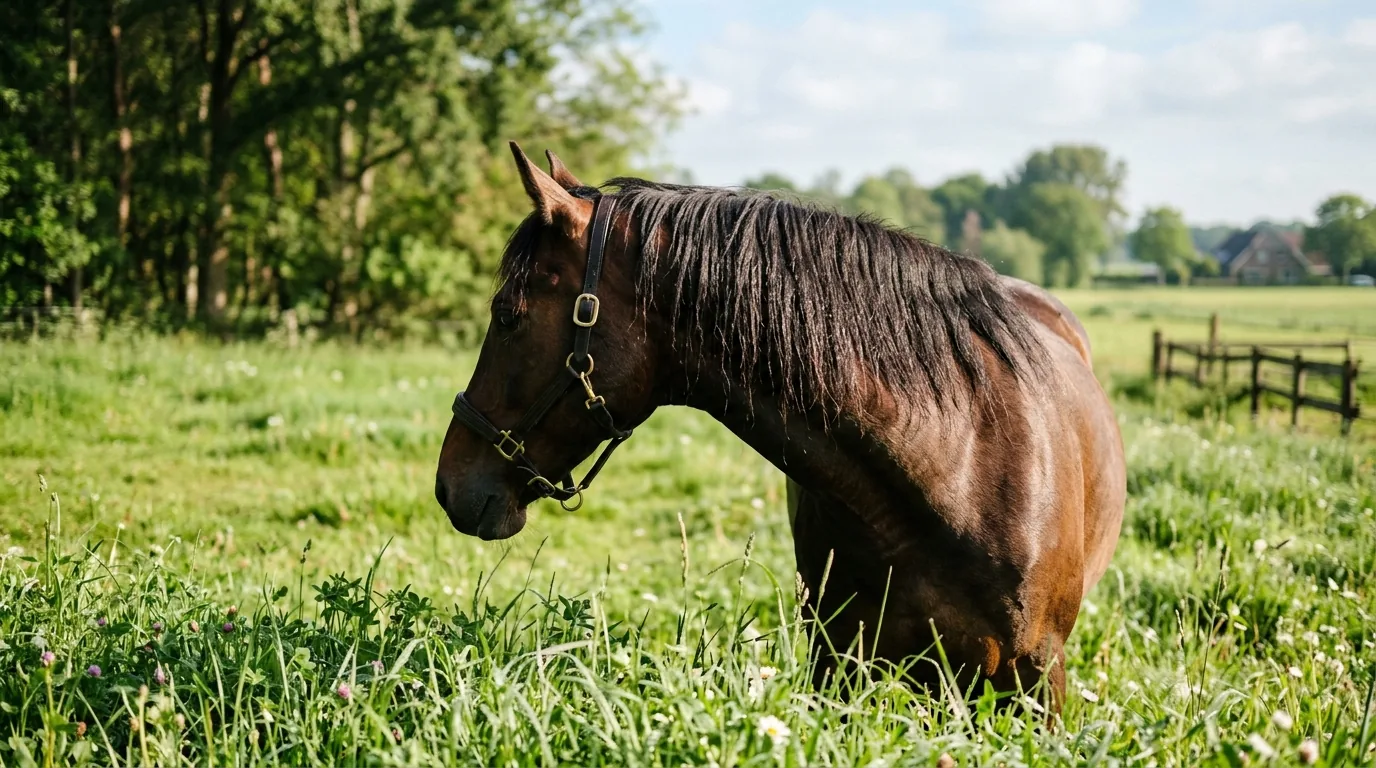
Conditions
Lyme disease in horses: recognise the symptoms
Lyme disease is more common in horses than many owners realise. The bacterium Borrelia burgdorferi, transmitted by ticks, can cause a wide range of complaints in horses — from vague lameness to serious joint problems. The tricky part is that the symptoms closely resemble those of other conditions, meaning Lyme disease is often recognised late. In this article you will find out which signs to watch for, when to call the vet, and how to keep track of your findings in your horse's EquiSight profile.
Read more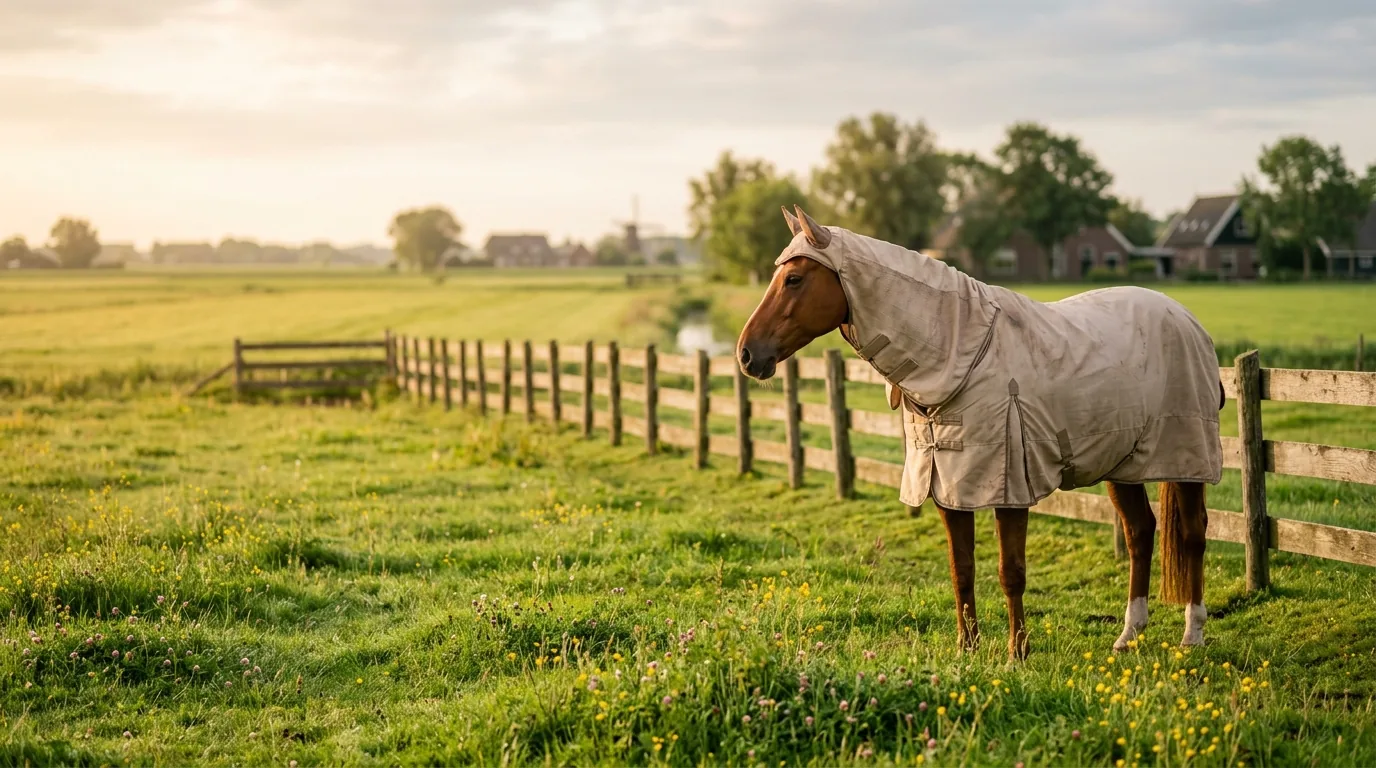
Conditions
Sweet itch: how to draw up a treatment plan
Sweet itch is one of the most common skin conditions in horses in the Netherlands. It is caused by an allergic reaction to the salivary proteins of the Culicoides midge, also known as the biting midge or no-see-um. Every year, thousands of horse owners deal with a horse that rubs itself raw, develops bald patches, and experiences visible discomfort from May through October. A good treatment plan combines prevention, environmental management, and targeted treatment — and makes the difference between a horse that gets through summer comfortably and one that suffers for months.
Read more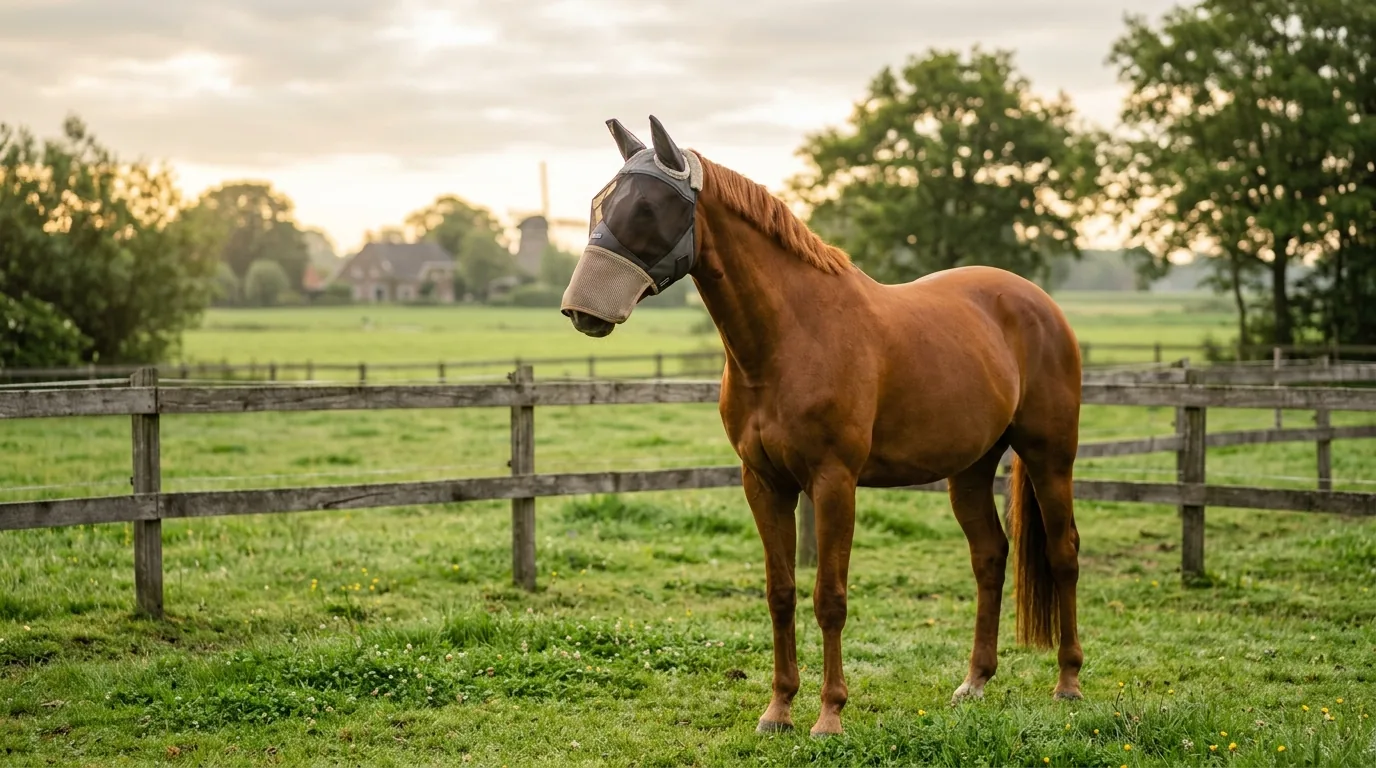
Conditions
Head shaking due to trigeminal irritation in horses
Does your horse suddenly and violently toss its head up or to the side while riding, or even in the field? Trigeminal irritation — also known as headshaking syndrome — could be the cause. This condition affects an estimated 1 in 50 horses and is a significant challenge for both owner and horse. The trigeminal nerve is the fifth cranial nerve and controls sensation in the face, nose, and mouth. When this nerve becomes overstimulated, the horse experiences burning or tingling pain signals that it tries to relieve by shaking. In this article, you will learn how to recognise the condition, what the possible causes are, and what steps you can take.
Read more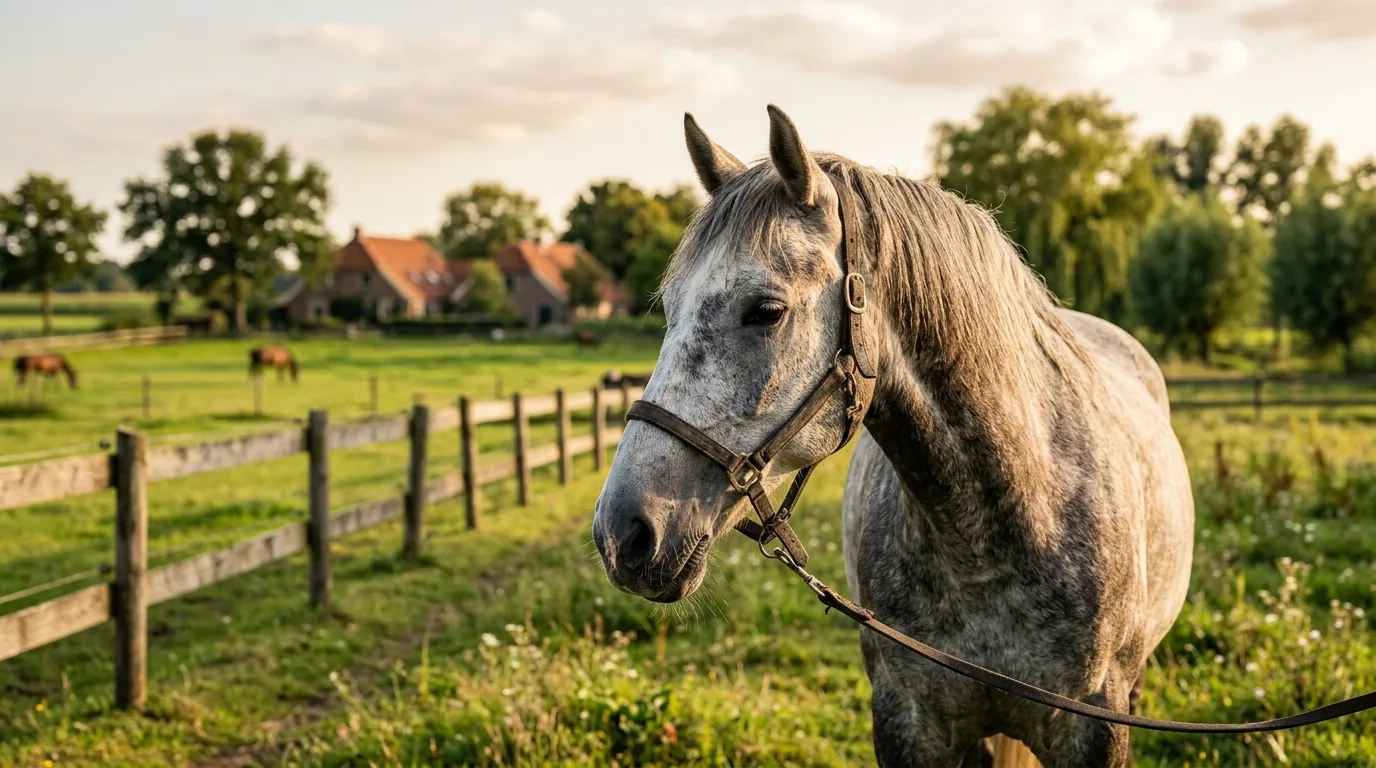
Conditions
Atherosclerosis in older horses: what you need to know
Horses live on average 25 to 30 years, and just like in humans, their blood vessels age along with them. Atherosclerosis — formally known as atherosclerosis or arteriosclerosis — is increasingly common in horses over 15 years of age and can have serious consequences for the heart and the blood supply to organs and limbs. Recognising the early signs in time can prevent a great deal of suffering. In this article you will learn exactly what atherosclerosis in horses involves, what symptoms to expect and how to manage its progression as effectively as possible.
Read more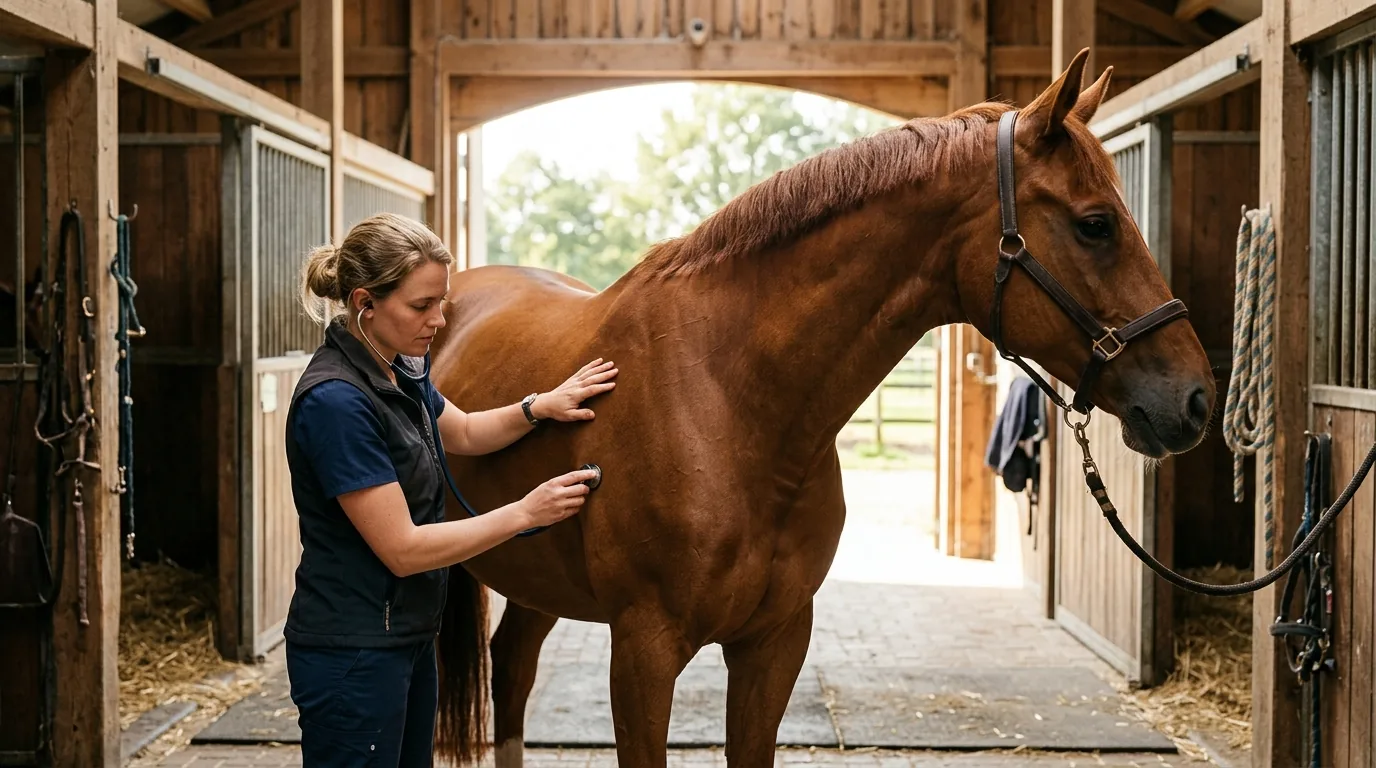
Conditions
Heart murmurs in horses: when should you act?
During a routine check-up, the vet hears a murmuring sound at your horse's heart. Immediate panic? Not always necessary. Heart murmurs are relatively common in horses and are far from always a sign of serious illness. Nevertheless, it is important to understand the difference between an innocent functional murmur and one that points to an underlying heart problem. In this article you can read how heart murmurs develop, what grades exist, when you should be concerned, and what you can do in practice as an owner or rider.
Read more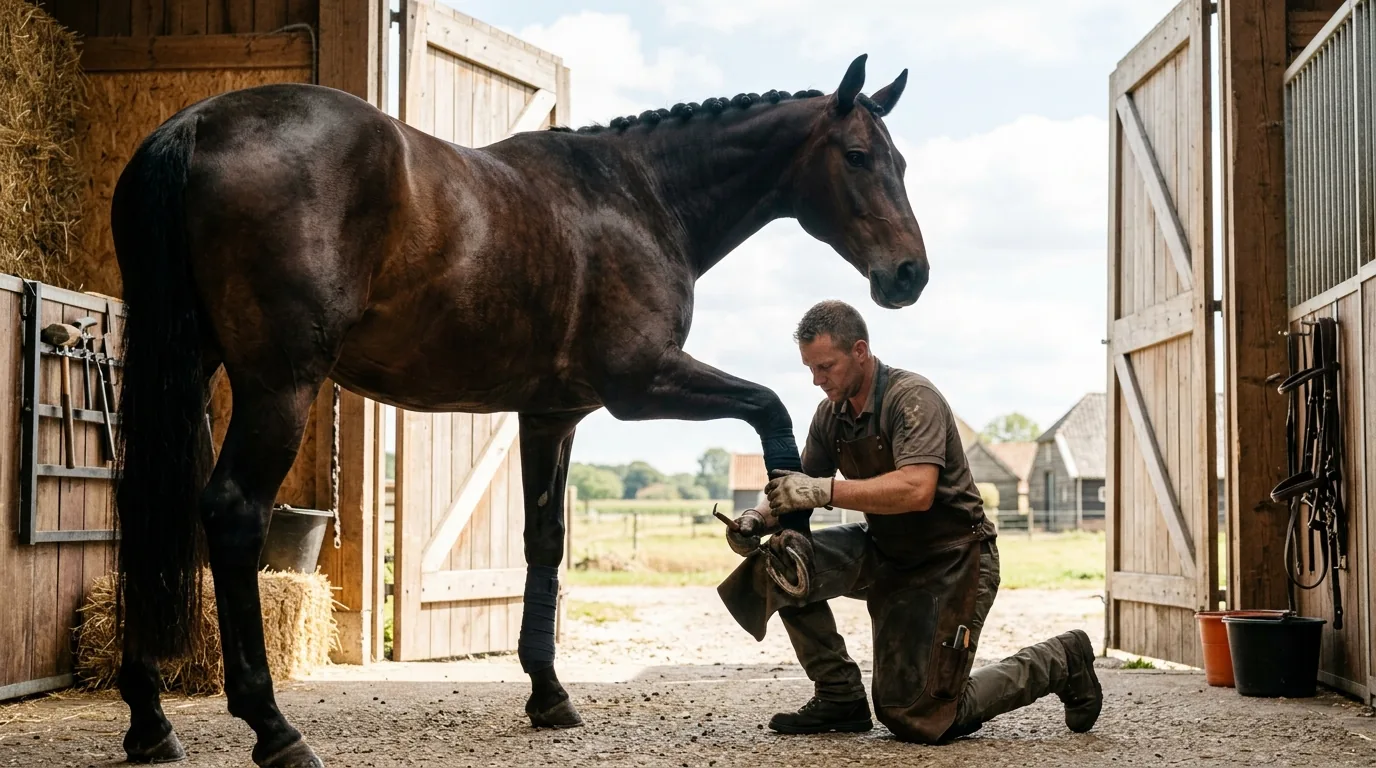
Conditions
Shivers in horses: cause, recognition and management
Shivers is a neuromuscular condition that hinders your horse when lifting its hind legs. It is noticeable by a characteristic trembling or jerking of the leg during lifting, for example when you want to pick out the hooves or when the farrier is working. The condition is more common in large, heavily built breeds such as Warmbloods and Friesians, but can affect any horse. Shivers is chronic and progressive, but with the right approach you can significantly improve your horse's quality of life and slow the progression.
Read more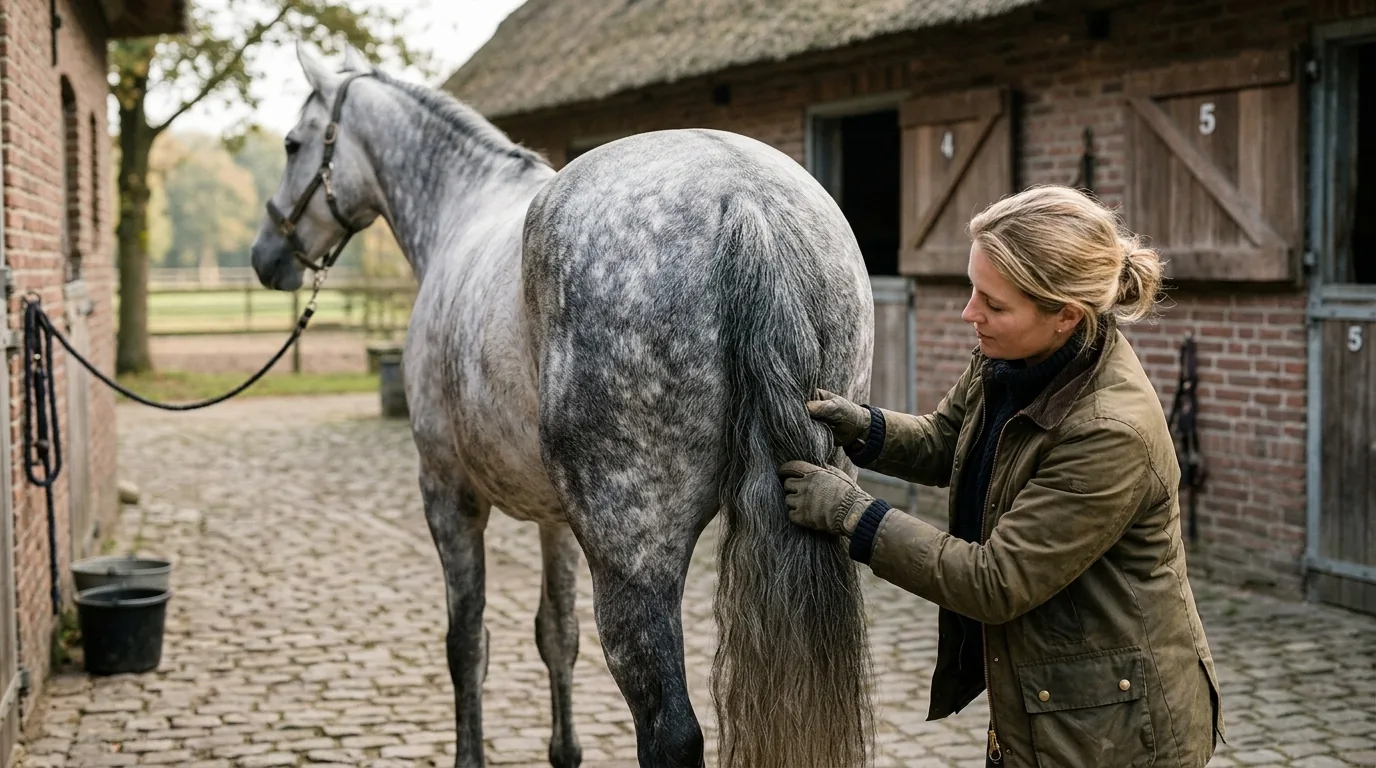
Conditions
Melanoma in grey horses: what you need to know
Nearly 80% of grey horses older than 15 years have one or more melanomas. That sounds alarming, but most cases cause no problems for many years. Still, it is important to know what to look for, when a melanoma becomes dangerous, and how to keep track of the situation properly. In this article you will find everything you need to know as the owner of a grey horse about the development, risks, and management of melanomas.
Read more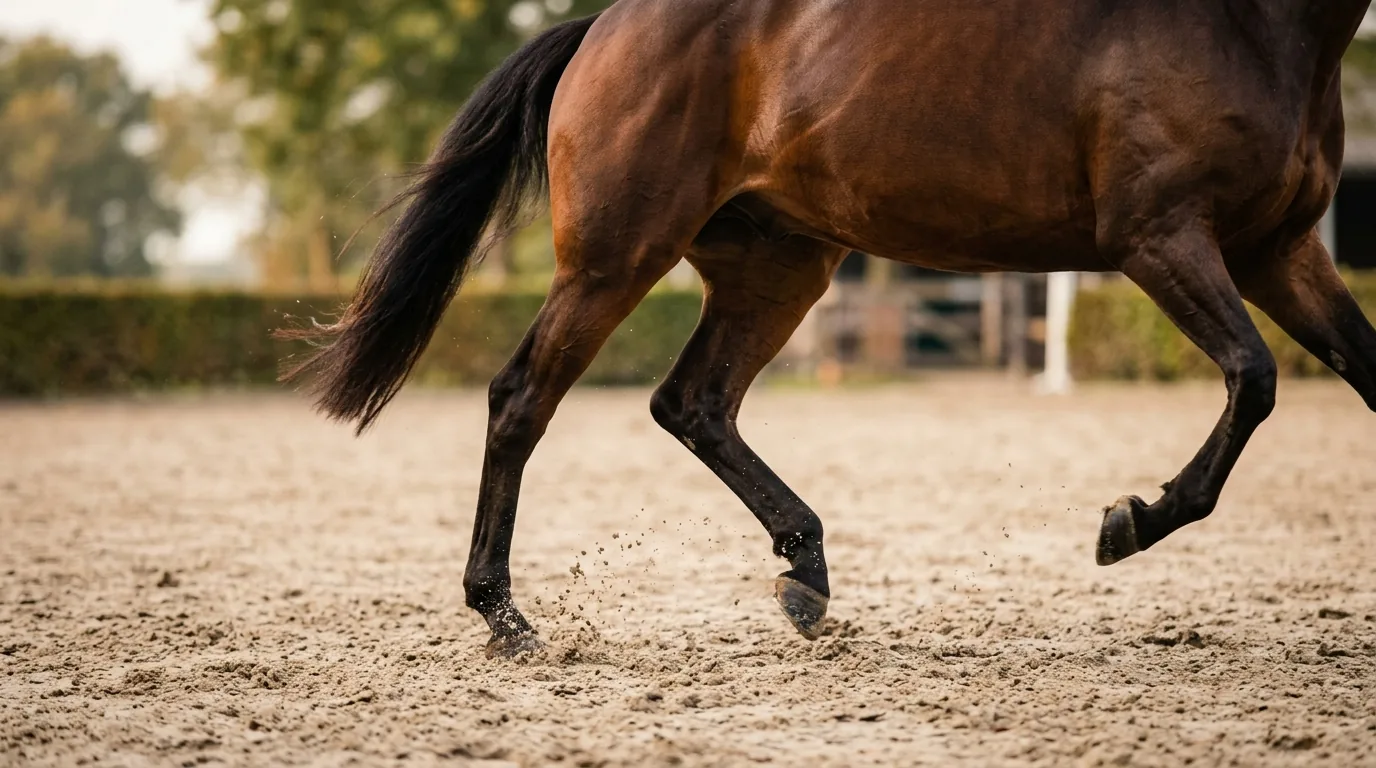
Conditions
Stringhalt in horses: causes and approach
Stringhalt is a movement disorder in which a horse excessively lifts one or both hind legs during walking. It looks striking and can cause considerable concern for horse owners. In this article you will learn exactly what stringhalt is, how to recognise it, what the possible causes are, and which treatment options exist. This way you know what to expect if your vet diagnoses it in your horse.
Read more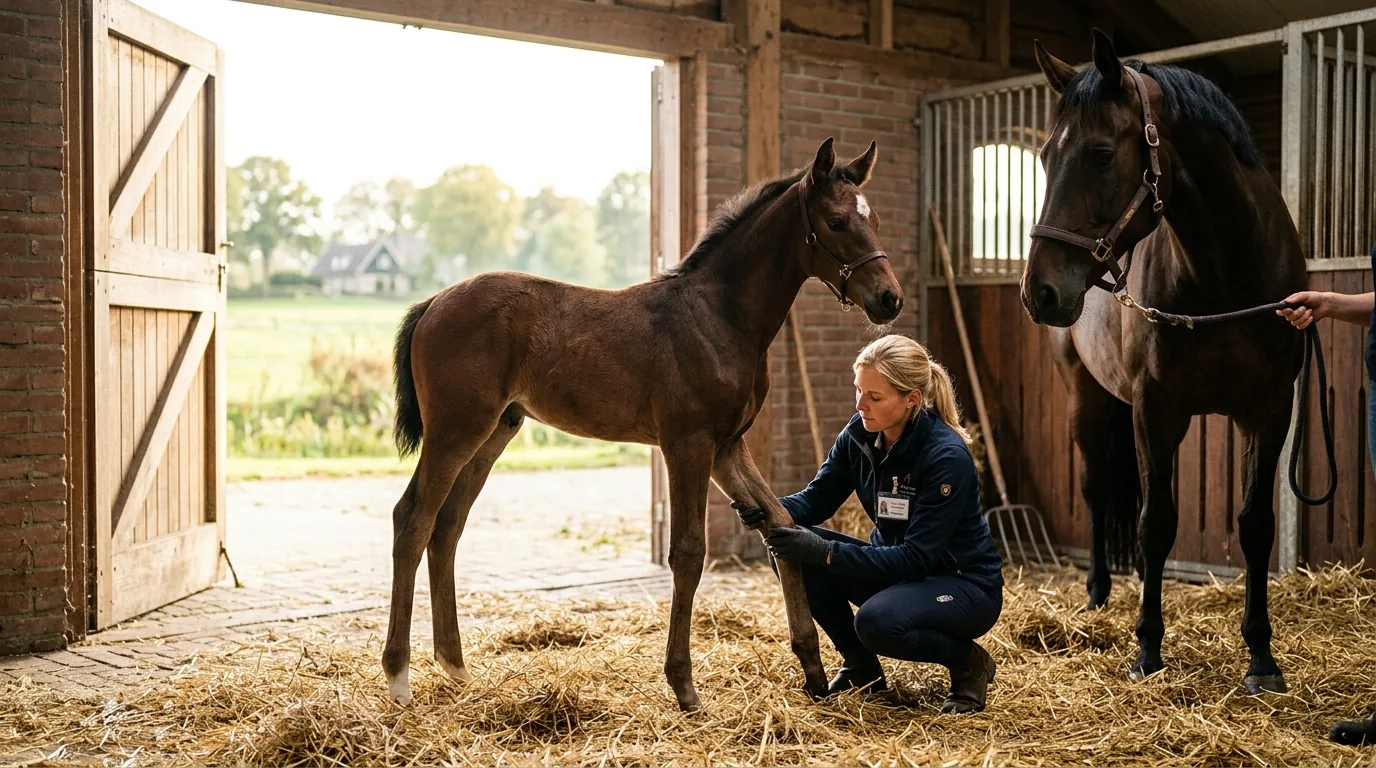
Conditions
Osteochondrosis in young horses: what you need to know
Osteochondrosis (OC) is one of the most common joint conditions in young horses and is caused by a disruption in bone formation during the growth period. The cartilage does not mature properly, which can lead to loose fragments or defects within the joint. Early detection makes a significant difference: horses that are treated in time have a considerably better chance of a full sporting career. In this article you will learn exactly what OC is, which factors play a role, how to recognise early signs, and what treatment options are available.
Read moreConditions
Bone spavin in horses: causes, symptoms and treatment
Bone spavin is one of the most common causes of lameness in horses. It involves osteoarthritis of the hock joint, in which the articular cartilage gradually breaks down and bone growths develop. Early recognition and proper management make a significant difference: many horses with spavin can, when treated correctly, remain in sport or recreational work for years to come. In this article you will learn how spavin develops, how to recognise it and what treatment options are available.
Read moreConditions
Tendon sheath inflammation in horses: recognise and treat it
Tendon sheath inflammation is one of the most common injuries in sport horses and can keep a horse out of training for weeks to months. It involves inflammation of the tendon sheath or the tendon itself, with fluid accumulation and warmth being the first signals. The sooner you intervene, the smaller the chance of permanent tendon damage. In this article you will read exactly what tendon sheath inflammation is, which symptoms to recognise, what the treatment options are, and how to prevent recurrence.
Read moreConditions
Allergies in horses: recognising and addressing symptoms
A horse with an allergy sends out signals that you as an owner can easily overlook or mistake for something else. Yet early recognition is important: untreated allergies can significantly erode quality of life and sometimes lead to chronic respiratory problems. In this article you will find out which symptoms point to an allergy, what the most common causes are, and how to take concrete steps to help your horse.
Read moreConditions
Hoof Dermatitis in Your Horse: Recognising and Addressing It
Hoof dermatitis, also known as pododermatitis, is an inflammation of the sensitive laminae of the hoof and occurs more often than many horse owners realise. It often starts subtly: your horse seems slightly sensitive on hard ground or moves unevenly. Yet if hoof dermatitis is not recognised and treated in time, it can lead to permanent damage to the hoof structure. In this article, you will learn how to recognise hoof dermatitis, what causes it, and what you can do yourself while waiting for the farrier or vet.
Read moreConditions
Cushing (PPID) in horses — symptoms & treatment
Cushing — or PPID — occurs mainly in older horses and ponies. Read about symptoms, diagnosis, treatment and how to properly care for a horse with Cushing's.
Read moreConditions
Preventing Sweet Itch — 8 Measures That Work
Midges are the culprits. You prevent sweet itch with the right combination of protection, nutrition and stable management. Eight practical measures.
Read more
Join · Beta tester
Become a Beta tester.
Get 3 months Professional for free.
EquiSight goes live on September 1 2026. Sign up now for the Beta and receive the full Professional package for three months at no cost.
No spam. Unsubscribe at any time.